Every year, hundreds of workers suffer serious injuries—or worse—during equipment maintenance. The cause? Unexpected startup of machinery. The solution? A properly implemented lockout tagout (LOTO) program anchored by reliable lockout tagout boards and locks.
These aren’t just accessories. They’re essential components of an energy control procedure that protects lives. Companies that treat LOTO as a compliance checkbox, not a culture, risk catastrophic failure. But those who deploy the right boards, locks, and protocols create safer, more efficient workplaces.
This guide breaks down how lockout tagout boards and locks work, how to implement them effectively, and what to consider when choosing the right system.
Why Lockout Tagout Boards and Locks Matter
Imagine a technician servicing a conveyor belt. The power is off, so they assume it’s safe. But a colleague resets a breaker from across the facility, unaware of the maintenance. The belt kicks on. The outcome can be devastating.
Lockout tagout boards and locks prevent these tragedies. They provide a visual, physical system that ensures machines stay de-energized during service.
- Locks physically prevent energy-isolating devices (like breakers or valves) from being activated.
- Tags communicate why the lock is in place, who applied it, and when.
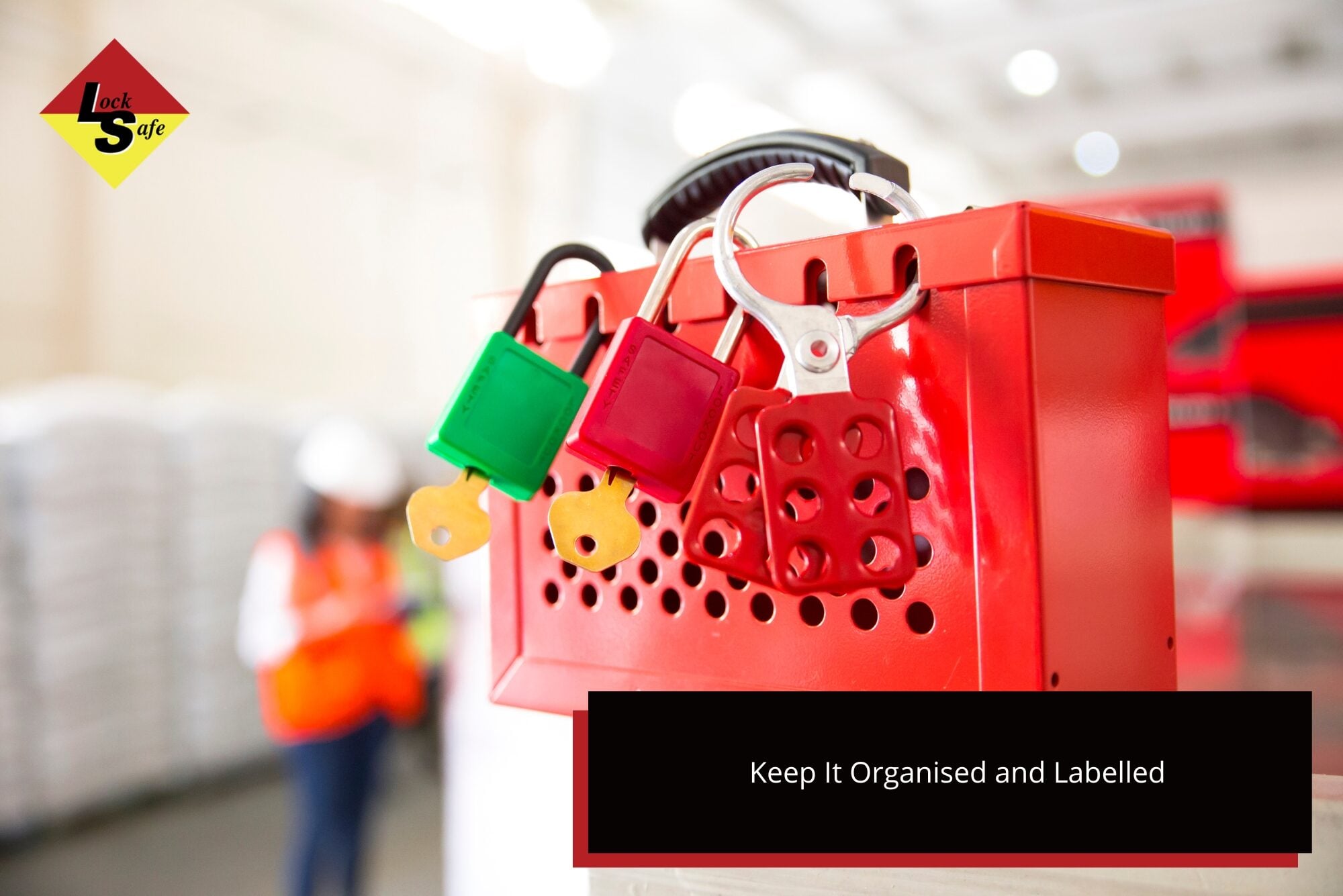
- Boards centralize control, storing locks, tags, and sometimes keys in an organized, accessible way.
When used together, they create an auditable, standardized process that aligns with OSHA 1910.147 and similar global safety standards.
How Lockout Tagout Boards Work
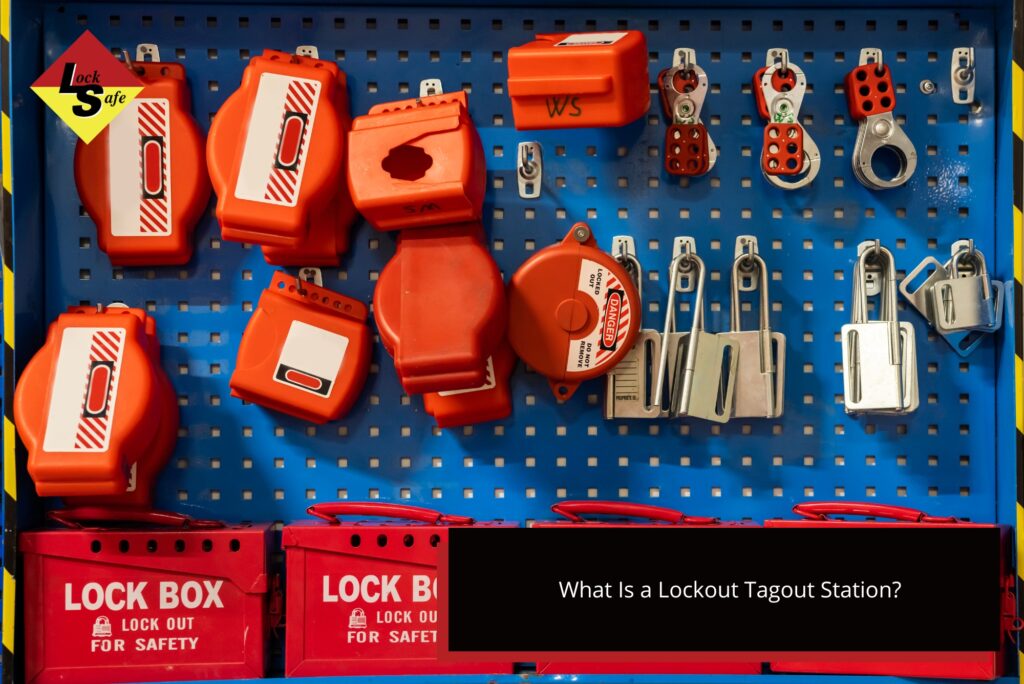
A lockout tagout board is more than a pegboard with hooks. It’s a system designed to streamline and enforce compliance.
Core Functions of a LOTO Board
- Centralized Storage
- Keeps all LOTO devices—locks, tags, hasps, breaker lockouts—in one visible location. No more lost locks or last-minute scrambles.
- Accountability Tracking
- Most boards include employee slots labeled by name or ID. Workers remove their personal lock from the board to apply it to equipment. Supervisors can instantly see who’s working and where.
- Visual Compliance
- A full board means no active work. Missing locks signal ongoing maintenance. This visual cue helps managers, auditors, and safety officers.
- Procedure Integration
- Some advanced boards include printed checklists, LOTO steps, or QR codes linking to digital SOPs.
Real-World Example
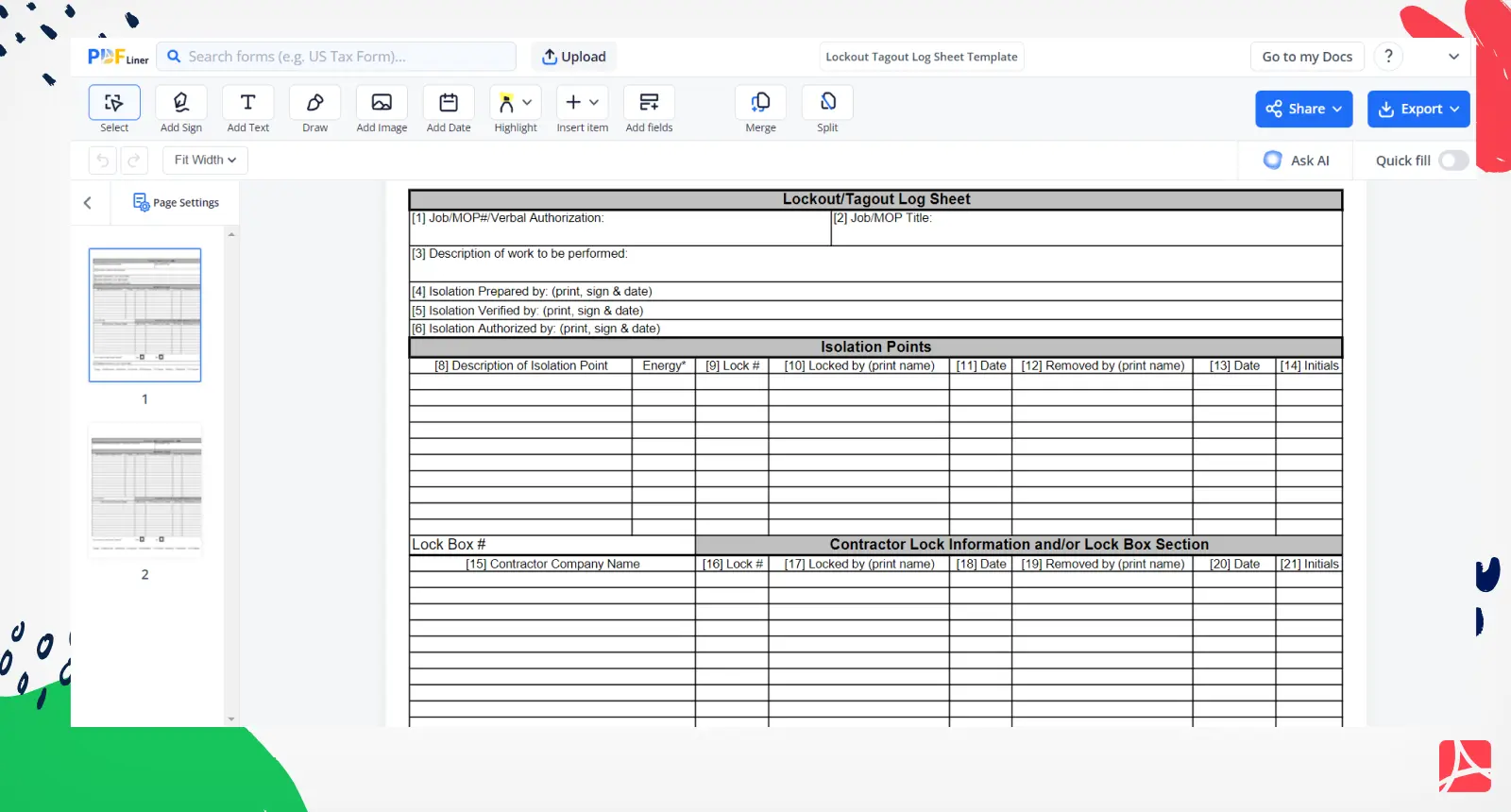
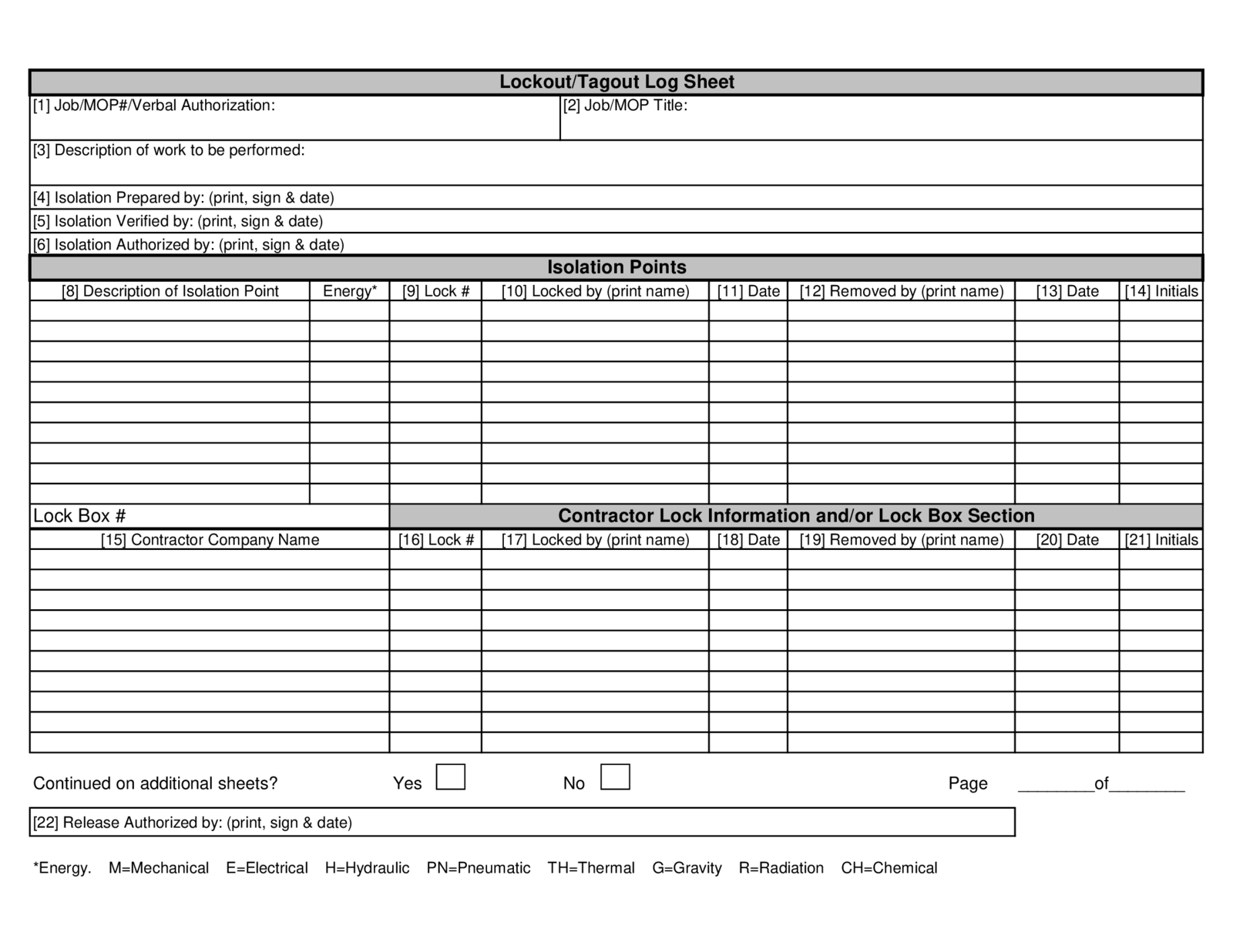
A food processing plant uses a 24-slot metal LOTO board near the production floor. Each maintenance technician has a dedicated slot with their lock, tag, and circuit diagram. Before starting work, they sign out their gear, apply the lock, and update the maintenance log. When done, they return everything to the board. This simple system reduced unauthorized restarts by 100% over 18 months.
Types of Lockout Locks and When to Use Them
Not all locks are created equal. Choosing the wrong one can compromise safety or slow down operations.
1. Padlock-Style Locks
- Best for: Electrical panels, breaker boxes
- Features: Shackle diameter 5–12mm, keyed alike or keyed differently
- Example: A maintenance team uses color-coded padlocks—red for electrical, blue for hydraulic—so isolation points are instantly recognizable.
2. Valve Lockouts
- Best for: Pipeline, gas, or fluid systems
- Types: Ball valve, gate valve, lever lockouts
- Limitation: Must match valve size and type. A universal model may not fit tightly.
3. Circuit Breaker Locks
- Best for: Panel-mounted breakers
- Design: Slides over the toggle to prevent flipping
- Tip: Use with a hasp for multi-person lockout scenarios.
4. Plug and Cord Locks
- Best for: Portable equipment (saws, grinders)
- How it works: Secures the power plug inside a lockable sleeve
- Use Case: Ideal for shared tools in workshops.
5. Group Lockout Hasps
- Best for: Multiple workers on one machine
- How it works: A hasp is placed on the energy source. Each worker applies their personal lock. The machine can’t restart until all locks are removed.
- Critical Rule: Never allow “buddy unlocking.” Each lock must be removed by the person who applied it.
Common LOTO Mistakes That Undermine Safety
Even with boards and locks in place, companies fail due to preventable errors.
Mistake #1: Using Tags Without Locks Tagout-only systems are allowed under OSHA but only when energy isolation can’t be achieved with a lock. Relying solely on tags for accessible breakers is a violation and a hazard.
Mistake #2: Shared or Master Keys Giving supervisors a master key to remove locks defeats accountability. If a worker is trapped or unavailable, strict procedures—not convenience—must guide lock removal.
Mistake #3: Poor Board Placement A LOTO board locked in a supervisor’s office is useless. It should be near high-risk equipment or central maintenance zones.
Mistake #4: Incomplete Training Workers may know how to apply a lock but not understand why. Training should cover energy types (electrical, pneumatic, chemical), isolation methods, and real-world scenarios.
Mistake #5: Failing to Audit LOTO systems degrade over time. Regular audits—quarterly or after incidents—should check lock condition, board organization, and compliance rates.
How to Choose the Right Lockout Tagout Board
Selecting a board isn’t about size alone. It’s about fit, function, and culture.
Key Selection Criteria
| Factor | What to Look For |
|---|---|
| Capacity | Match to number of maintenance staff (e.g., 10 workers = 10+ slots) |
| Material | Steel or heavy-duty plastic for durability |
| Portability | Wall-mounted vs. mobile carts for multi-floor facilities |
| Customization | Name tags, equipment maps, bilingual labels |
| Expandability | Modular designs that allow future upgrades |
Setup Workflow Tips
- Map Energy Sources – List every machine and its isolation points.
- Assign Locks – Give each authorized employee a unique, personal lock.
- Label the Board – Use photos or icons to show which lock goes where.
- Integrate with Procedures – Post LOTO steps next to the board.
- Train and Drill – Run monthly lockout simulations.
Top 5 Lockout Tagout Board and Lock Kits
Choosing a complete kit saves time and ensures compatibility.
| Product | Key Features | Best For |
|---|---|---|
| Grace Industries G1200 | 12-lock board, hasps, tags, breaker locks, storage | Mid-sized teams needing all-in-one |
| Spartan Safety LOTO-24 | Stainless steel, 24 slots, customizable labels | High-traffic industrial environments |
| RS Components LOTO Kit 50 | 50-piece kit with varied lock types | Facilities with diverse equipment |
| Seton 72024 | Wall-mounted, includes training tags and checklist | Companies focused on OSHA compliance |
| Justrite 20250 | Mobile cart with drawer storage and board | Multi-department or large facilities |
Each of these supports a scalable LOTO program. The key difference? Integration. The best kits don’t just provide hardware—they enable process.
Implementing LOTO Across Shifts and Teams
Shift changes are high-risk moments. A night technician might not know a machine is locked out by the day crew.
Best Practices for Multi-Shift LOTO
- Use Shift-Specific Locks – Color-code by shift (e.g., yellow for day, green for night).
- Handover Logs – Require written or digital交接 (handover) notes during shift change.
- Board Sign-Off – Supervisors must verify the board status before approving restarts.
- Digital Add-Ons – Some companies use tablet-based logs synced to the board location.
Real Use Case: Automotive Plant An assembly line uses a digital LOTO system with RFID tags. When a technician applies a lock, the system logs their ID, time, and machine. Supervisors get alerts if a lock remains after shift end. This reduced overlap incidents by 90%.
Conclusion: Make LOTO a Living System
Lockout tagout boards and locks are only as good as the culture behind them. A stainless steel board with 20 locks means nothing if workers bypass it to “save time.”
The goal isn’t just compliance. It’s creating a system where safety is frictionless, visible, and non-negotiable.
Start by auditing your current LOTO process. Are locks missing? Are tags unreadable? Is the board in the way or out of sight?
Then upgrade—not just the hardware, but the habits. Train consistently. Audit regularly. Empower workers to speak up.
Because in the end, a lock isn’t just a piece of metal. It’s a promise: This machine stays off until I’m safe.
Frequently Asked Questions
What is the purpose of a lockout tagout board? A lockout tagout board centralizes locks, tags, and accountability, making it easier to manage and verify machine isolation during maintenance.
Can tagout be used without a lock? Only in specific cases where a lock can’t be applied. OSHA allows tagout-only systems but requires additional safety measures due to higher risk.
How many locks can one machine have? As many as needed. Each authorized worker must apply their own lock during group maintenance using a hasp.
Should all LOTO locks be the same color? No. Use color-coding to differentiate departments, energy types, or shifts—but ensure each worker has a unique personal lock.
Who can remove a lockout device? Only the employee who applied the lock may remove it, except under emergency procedures with documented authorization.
Do lockout boards need to be locked? No. The board should be accessible to authorized personnel. Restricting access defeats the purpose of quick, reliable deployment.
Are digital LOTO systems better than physical boards? They can enhance tracking and reporting, but physical locks and tags are still required. Digital systems complement—not replace—LOTO hardware.
FAQ
What should you look for in Lockout Tagout Boards and Locks: The Ultimate Safety Guide? Focus on relevance, practical value, and how well the solution matches real user intent.
Is Lockout Tagout Boards and Locks: The Ultimate Safety Guide suitable for beginners? That depends on the workflow, but a clear step-by-step approach usually makes it easier to start.
How do you compare options around Lockout Tagout Boards and Locks: The Ultimate Safety Guide? Compare features, trust signals, limitations, pricing, and ease of implementation.
What mistakes should you avoid? Avoid generic choices, weak validation, and decisions based only on marketing claims.
What is the next best step? Shortlist the most relevant options, validate them quickly, and refine from real-world results.