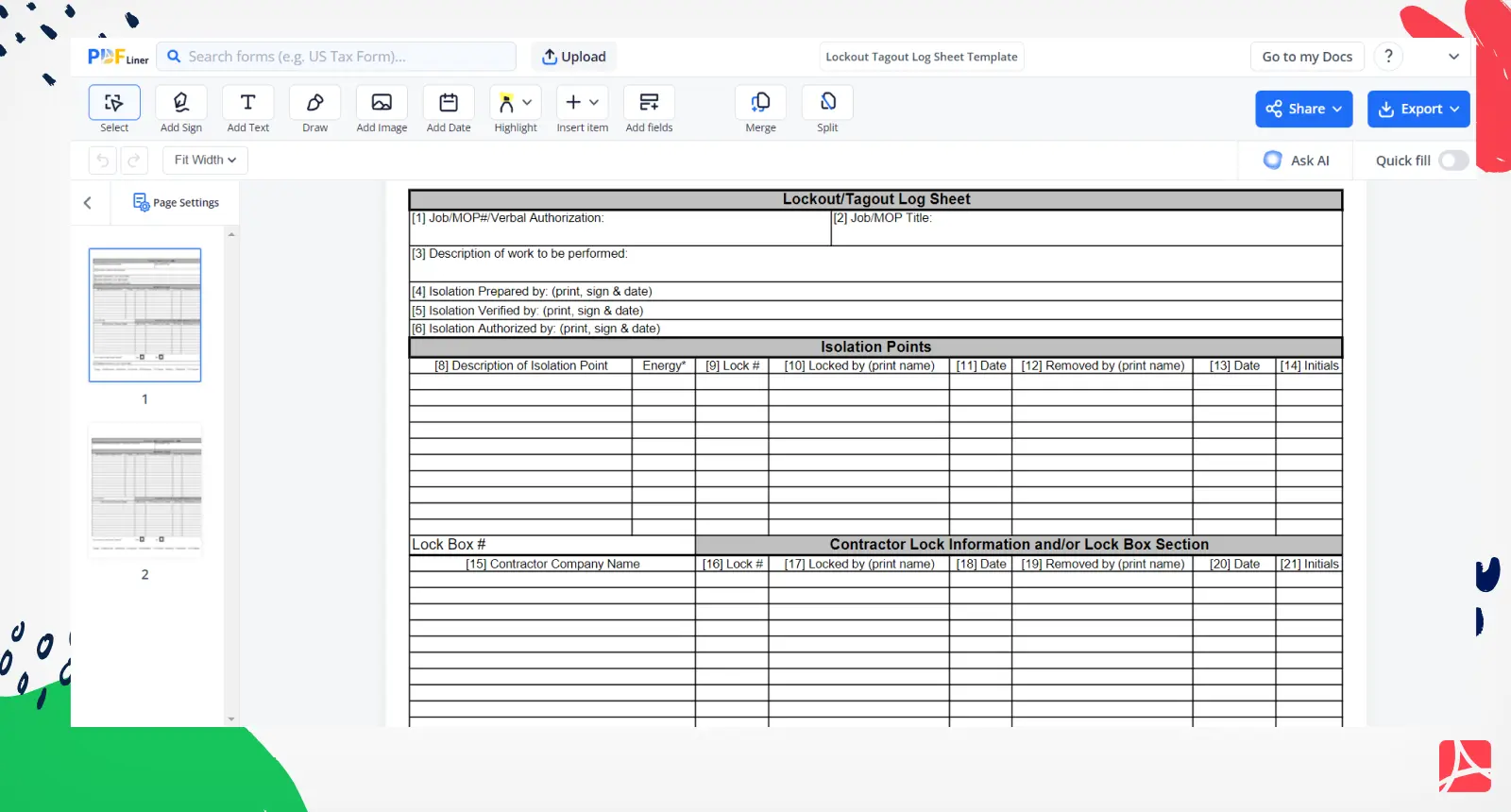
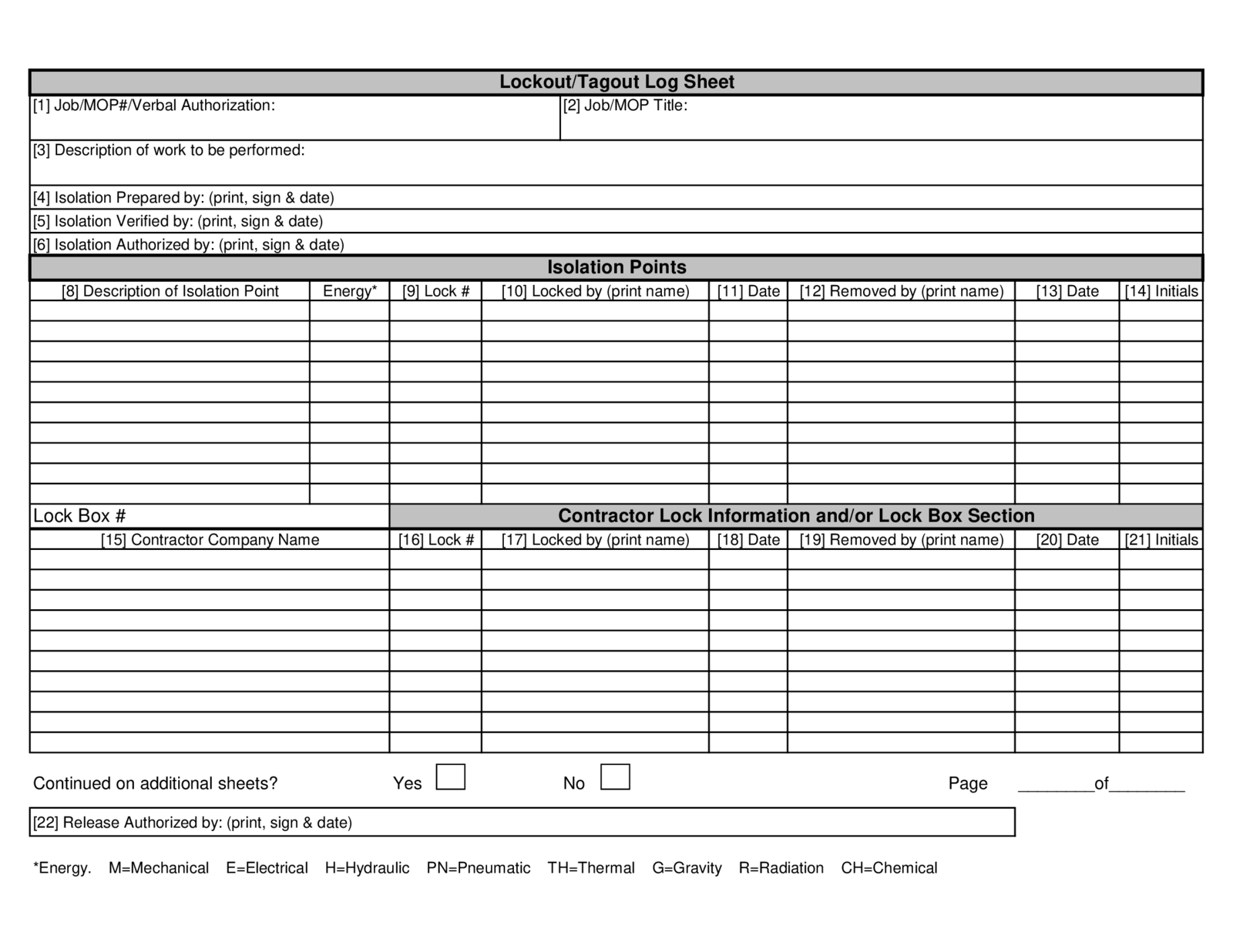
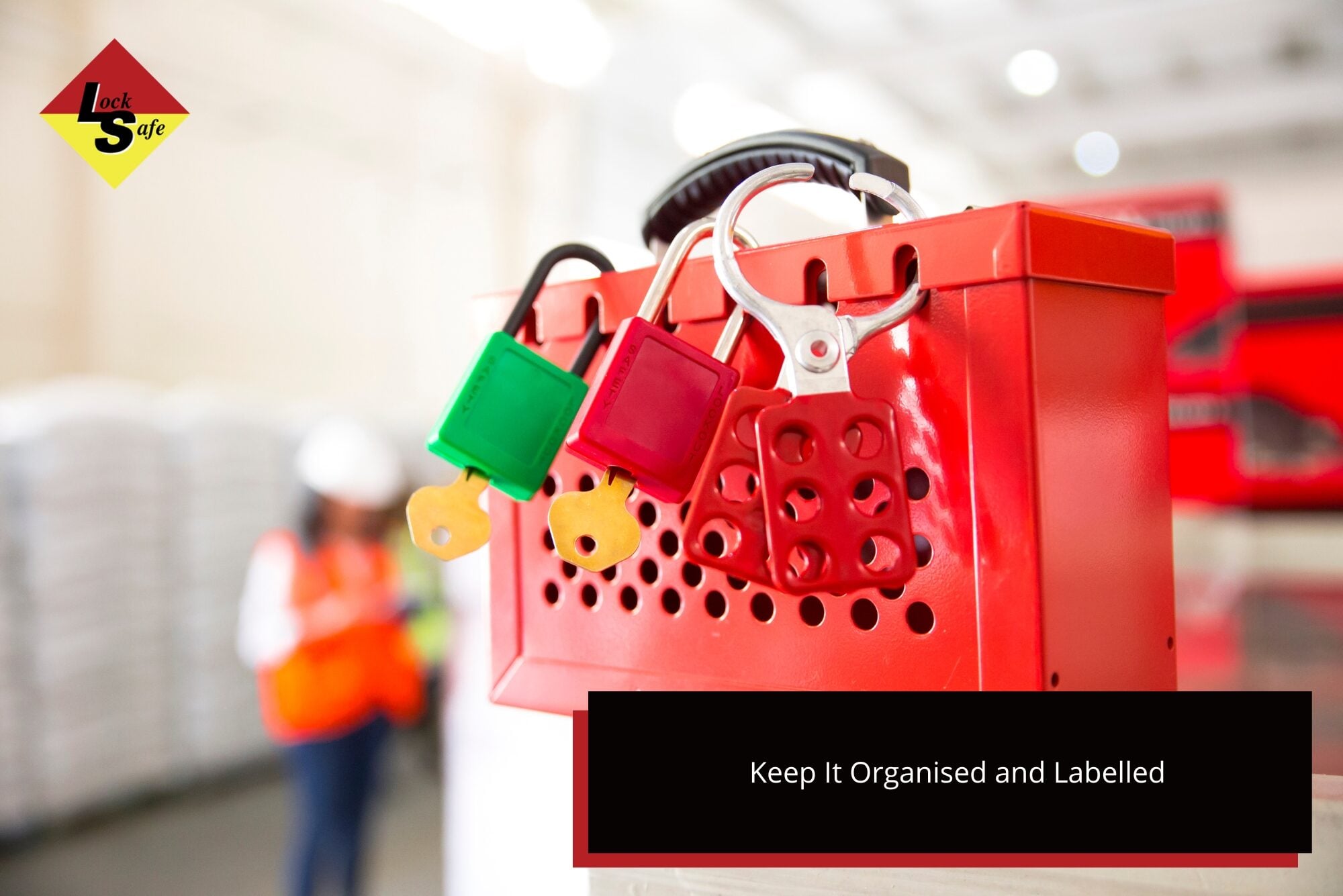
Every year, preventable electrical incidents occur during maintenance and servicing—often because equipment isn’t properly de-energized. Workers assume a machine is off when it’s still live. A breaker is flipped, but stored energy discharges unexpectedly. A colleague restarts a system, unaware someone is inside conducting repairs. These aren’t hypotheticals—they’re daily risks in industrial, manufacturing, and utility environments.
The solution? A disciplined lockout tagout (LOTO) program focused on electrical safety.
Lockout tagout isn’t just a checklist; it’s a systematic approach to isolating hazardous energy sources and preventing accidental re-energization. When applied correctly, it saves lives. When ignored or poorly implemented, it leads to electrocution, arc flash, amputations, and fatalities.
This guide cuts through the compliance jargon and delivers practical, actionable insight into how electrical safety lockout tagout works in real facilities.
Understanding Electrical Lockout Tagout: Beyond the Label
Lockout tagout (LOTO) refers to the process of shutting down equipment, isolating its energy sources, and applying physical locks and tags to prevent unintended startup. In electrical contexts, this means securing circuits, disconnect switches, control panels, and any component capable of delivering power.
While often grouped under broader energy control programs, electrical LOTO demands special attention. Unlike mechanical or hydraulic systems, electricity can’t be “bled off.” It’s either present or not—no in-between. A single misstep can mean exposure to lethal voltage, arc flash explosions, or induced currents from nearby conductors.
OSHA’s standard 29 CFR 1910.147 outlines the core requirements, but the real challenge lies in execution. A compliant LOTO program isn’t just about having locks and tags—it’s about ensuring every worker understands the why, the how, and the what if.
The 6-Step Electrical LOTO Procedure (With Real-World Gaps)
While OSHA prescribes a general sequence, here’s how electrical LOTO unfolds in practice—with common pitfalls at each stage:
#### 1. Preparation: Identify Sources and Risks Before any work begins, the authorized employee must identify all electrical energy sources: main disconnects, backup feeds, capacitors, UPS systems, even remote-controlled breakers.
Common mistake: Assuming one disconnect cuts all power. In dual-fed systems or facilities with redundant circuits, secondary sources may remain live.
Tip: Use one-line diagrams and conduct live testing with a volt meter rated for the circuit (e.g., CAT III or IV).
#### 2. Notification and Shutdown Alert affected employees that maintenance is starting. Shut down equipment using normal controls—never rely on emergency stops as isolation methods.
Real-world issue: In fast-paced plants, operators bypass notifications to meet production targets. Clear communication protocols prevent this.
#### 3. Isolation and De-Energization Open disconnects, circuit breakers, or remove fuses. This step physically separates the equipment from energy sources.
Critical note: Some devices—like certain motor controllers—may de-energize control circuits but leave power circuits live. Always verify at the equipment level.
#### 4. Lockout Application Each authorized worker applies their personal lock to every energy-isolating device. Group locks are acceptable only when used with a lockbox system where each individual retains their key.

Best practice: Use keyed-alike locks sparingly. Individual locks prevent premature removal by others.
#### 5. Stored Energy Release and Verification Discharge capacitors, bleed pneumatic lines, and block moving parts. Then—and only then—verify zero energy using a properly rated test instrument.
Danger zone: Many workers skip re-verification after lock application. Voltage can be induced or fed back from parallel systems. Always re-test.
#### 6. Tagging and Work Commencement Attach a durable tag stating the worker’s name, department, time, and reason for lockout. Only after all steps are confirmed should work begin.
Pro insight: Use standardized tag formats. Handwritten tags fade or get damaged. Digital tag systems with QR codes are emerging but still require physical visibility.
Why Electrical LOTO Fails (And How to Fix It)
Even organizations with LOTO programs suffer incidents. Why?
#### Incomplete Energy Source Identification A maintenance tech locked out a conveyor’s local disconnect but didn’t realize the drive system was fed from a central VFD panel 50 feet away. When the VFD was reactivated during testing, the conveyor started—nearly crushing the technician.
Fix: Maintain up-to-date electrical schematics and require source verification in written procedures.
#### Overreliance on Tags Without Locks Tags alone don’t stop equipment from being energized. They’re warnings, not barriers. Yet some facilities allow “tag-only” work during “minor servicing.”
Reality check: OSHA allows limited exceptions (e.g., 1910.147(a)(2)(ii)), but electrical work rarely qualifies. Always use lockout unless justified and documented.
#### Poor Lock Management Shared locks, missing keys, or damaged hasps undermine the entire system. One facility used generic padlocks so workers could “borrow” keys during shift changes—defeating the purpose of personal control.
Solution: Implement a lockout kit program with employee-specific locks and accountability logs.
#### Lack of Retraining LOTO isn’t a one-time training event. Workers forget, procedures evolve, equipment changes. Annual refreshers are essential—but even that’s not enough for high-turnover environments.
Action step: Conduct mini-drills during safety meetings. Simulate lockout scenarios and audit compliance quarterly.
LOTO Devices for Electrical Systems: Tools That Work
Not all lockout devices are equal. Electrical applications demand robust, code-compliant hardware. Here are five reliable options widely used in industry:
| Product | Use Case | Key Feature |
|---|---|---|
| Grace Industries G1200 | Circuit breaker lockout | Fits most molded-case breakers; accepts up to 4 padlocks |
| KeyMark KLI-3 | Fuse puller lockout | Secures fuse blocks during replacement; high-dielectric strength |
| 3M DBL-2 | Disconnect switch adapter | Universal fit for 200–600V switches; UV-resistant |
| Safely Yours LOTO-10 Kit | Comprehensive field kit | Includes locks, tags, hasps, test meters, and storage |
| King LOTO KL-500 | Group lockout station | 13-lock capacity with accountability log and weatherproof housing |
Choose devices rated for your environment—dusty, wet, or corrosive areas need NEMA-rated enclosures. Never use makeshift solutions like zip ties or tape.
Special Cases: When Standard LOTO Isn’t Enough
Some electrical scenarios require enhanced protocols:
#### Capacitive Energy in HVAC and VFD Systems Variable frequency drives store energy in DC bus capacitors. Even after power-off, they can deliver lethal shocks for minutes.
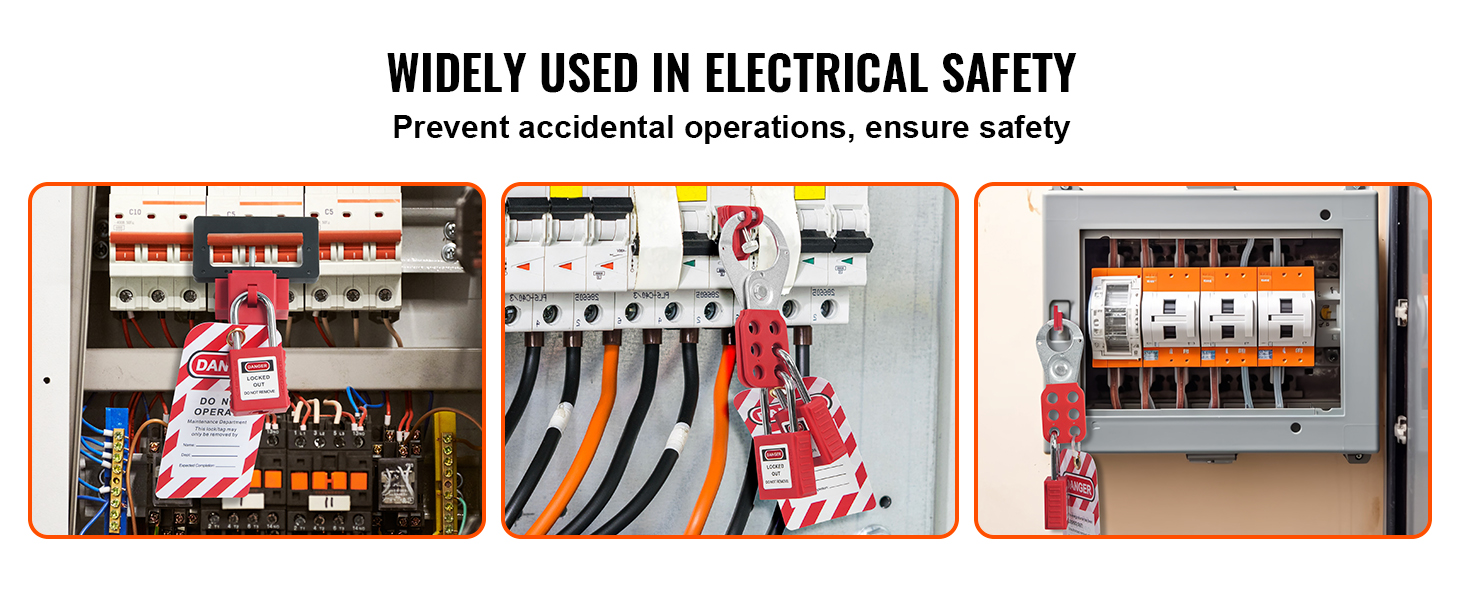
Protocol: Wait the manufacturer-specified discharge time (often 5–15 minutes), then verify with a voltmeter. Use insulated tools and PPE rated for the task.
#### Remote or Automated Systems PLC-controlled equipment may auto-reset after fault clearing. A motor stops due to overload, then restarts when the timer expires—while a technician is inside.
Control measure: Isolate both power and control circuits. Use hardwired disconnects, not software-based stops.
#### Multiple Shifts and Contractor Work Night crews may not recognize day-shift locks. Contractors might not follow site-specific procedures.
Best practice: Use shift交接 lockout boxes. Each shift applies a lock, and only the original worker can remove it—ensuring continuity.
Building a Culture of Electrical Safety
Compliance isn’t just about passing audits. It’s about creating an environment where workers want to follow LOTO—not because they’ll be punished, but because they trust the system.
Start with leadership involvement. When managers participate in LOTO drills or wear lockout tags during site visits, it signals priority.
Empower workers to stop work if procedures aren’t followed. One semiconductor plant reduced electrical incidents by 70% after introducing a “Stop-Work Authority” policy.
And document everything. Keep records of training, equipment-specific procedures, and annual audits. OSHA doesn’t require digital logs, but cloud-based LOTO software (like ProNow or Lockout Tagout Manager) improves traceability and reduces paperwork.
Final Steps to Strengthen Your Electrical LOTO Program
You don’t need a perfect system—just a better one. Start here:
- Audit your current procedures—Are they equipment-specific? Do they cover all energy sources?
- Verify isolation methods—Test with meters, not assumptions.
- Train and retrain—Include hands-on practice, not just slides.
- Equip workers—Issue personal lockout kits with standardized, high-quality devices.
- Review incidents—Even near-misses reveal systemic gaps.
Electrical safety lockout tagout isn’t a formality. It’s the last line of defense between routine maintenance and catastrophe. By treating it with operational seriousness—not just regulatory compliance—you protect your people, your equipment, and your organization’s integrity.
Frequently Asked Questions
What is the difference between lockout and tagout? Lockout uses physical devices (like padlocks) to prevent energy restoration. Tagout uses warning tags. Lockout is always required when possible; tagout alone is only acceptable in limited, justified cases.
Can multiple people work on the same equipment under LOTO? Yes. Each authorized worker must apply their own lock. Group lockout boxes are used when multiple isolating devices exist.
How often should LOTO procedures be reviewed? Annually, at minimum. Also review after any incident, near-miss, or equipment modification.
Are control circuit locks sufficient for electrical safety? No. Control circuits may de-energize signals but leave power circuits live. Always isolate at the main disconnect or circuit breaker.
What PPE is required during electrical LOTO? Arc-rated clothing, insulated gloves, and face protection based on the hazard risk category. Always de-energize first—PPE is secondary protection.
Do battery-powered devices need LOTO? Yes. Batteries are energy sources. Disconnect and lock out battery packs, especially in high-voltage systems like UPS or EV charging units.
Can LOTO be automated? Partial automation exists—like interlocked doors or smart lock systems—but human verification and personal accountability remain essential.
FAQ
What should you look for in Electrical Safety Lockout Tagout: A Practical Guide to Compliance? Focus on relevance, practical value, and how well the solution matches real user intent.
Is Electrical Safety Lockout Tagout: A Practical Guide to Compliance suitable for beginners? That depends on the workflow, but a clear step-by-step approach usually makes it easier to start.
How do you compare options around Electrical Safety Lockout Tagout: A Practical Guide to Compliance? Compare features, trust signals, limitations, pricing, and ease of implementation.
What mistakes should you avoid? Avoid generic choices, weak validation, and decisions based only on marketing claims.
What is the next best step? Shortlist the most relevant options, validate them quickly, and refine from real-world results.